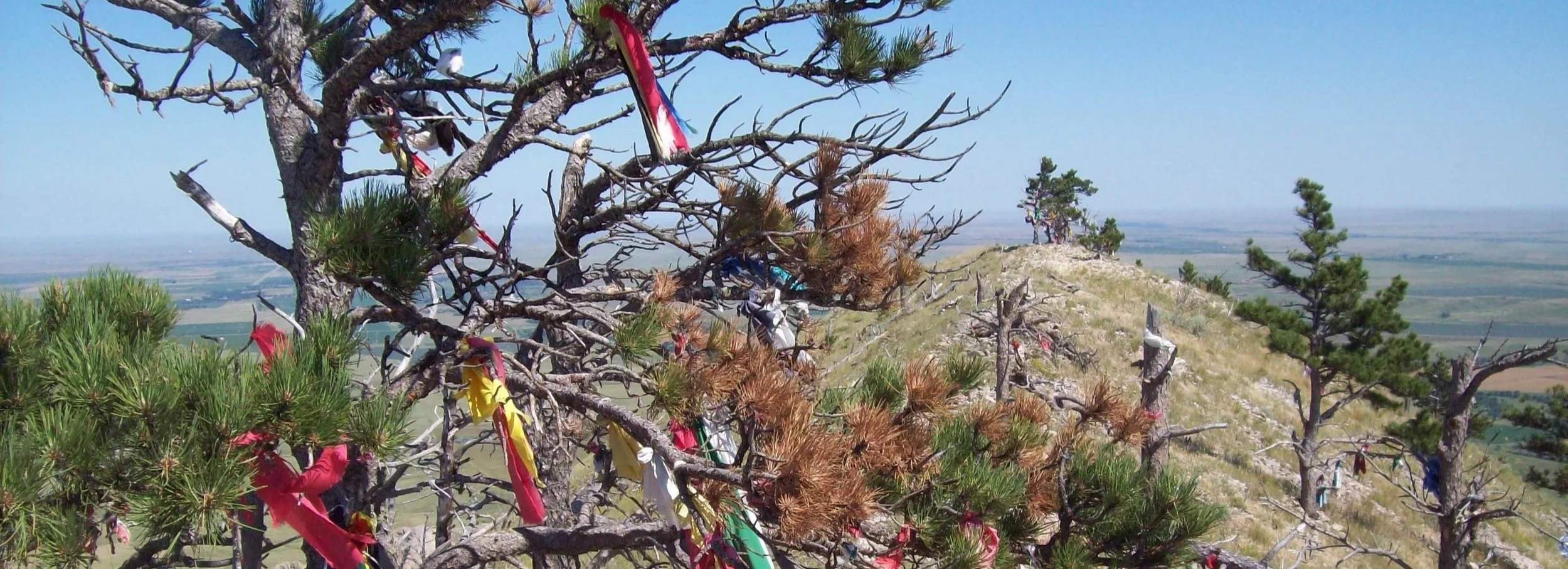
“Into the woods I go, to lose my mind and find my soul” – John Muir
A vision quest is a timeless spiritual practice that transcends cultural boundaries, inviting seekers to explore the deepest layers of their identity and purpose. Rooted in traditions across the globe, this profound personal ceremony involves a journey into the wilderness—often lasting one to four days—where one is stripped of societal roles, comforts, and distractions. Through solitude, fasting, and immersion in nature, the vision quest offers a transformative experience, guiding questers toward a deeper understanding of themselves and their connection to the world around them. This journey is more than a test of endurance; it is a sacred process that has shaped the spiritual lives of countless seekers throughout history.
The Core Elements of a Vision Quest
At the heart of a vision quest lie three essential elements:
Solitude - Wilderness - Fasting
Rituals and ceremonies are crafted to bring about transformation, touching the physical, emotional, mental, and spiritual aspects of our being. While often associated with Native American traditions, vision quests have been practiced by diverse cultures for millennia. For example, in 500 B.C., the Buddha attained enlightenment by retreating to the forest and fasting beneath the Bodhi Tree, a journey that profoundly shaped the spread of Buddhism across Asia and beyond.
Many world religions have been influenced by seekers on a quest for vision. Christ fasted in the desert for 40 days, Moses ascended Mount Sinai to commune with God, and Lakota Holy Man Black Elk experienced a life-altering vision during a childhood illness. These iconic figures, along with countless mystics, ascetics, and truth-seekers, have undertaken vision quests to find direction, purpose, and a genuine connection with the Source of all life, receiving the guidance needed to navigate their times.
Solitude: Embracing Silence
Solitude is the first essential component of a vision quest. In this complete isolation from the outside world, one steps away from social interactions, cultural roles, routines, and expectations. To discover your authentic purpose, gift, voice, or medicine, you must become the author of your own story. This requires deep listening—letting go of external authorities such as teachers, religious leaders, and peer groups—and questioning the narratives we have unconsciously absorbed from our upbringing and culture about ourselves and the world.
Wilderness: Reconnecting with the Earth
The wilderness is the second essential component. A vision quest typically unfolds far from modern society, allowing seekers to experience solitude while becoming part of a larger ecosystem. By leaving behind human-made constructs like roads, homes, and technology, and immersing themselves in the natural world, individuals can reconnect with their authentic nature. This return to the living Earth awakens forgotten senses and dormant ways of knowing. Only by re-establishing our primal bonds with the Earth can we encounter our true selves.
Fasting: Awakening the Inner Voice
Fasting, the third core element, induces a shift in consciousness. By breaking free from the routines surrounding meals, fasting broadens our focus and sharpens our awareness. As rational thought patterns take a backseat and the internal dialogue slows, a quiet mind and stillness emerge, allowing forgotten wisdom to resurface. In this stillness, the "still small voice" within us speaks, guiding us toward deeper self-discovery.
Connecting with Spirit
One of the most profound aspects of a vision quest is its role as a spiritual tool to connect with the spirit world and the spirits of the land. In many indigenous traditions, the vision quest serves as a bridge between the physical and spiritual realms. As seekers immerse themselves in nature, they open themselves to the presence and guidance of the spirits that inhabit the land—the ancestors, animal guides, and other spiritual entities that carry their own medicine, wisdom, and power.
During the solitude of a vision quest, when the distractions of everyday life are stripped away, questers often become attuned to the subtle energies of the natural world. This heightened sensitivity allows them to perceive the whispers of the wind, the messages carried by birds, and the presence of unseen beings. These encounters, manifesting in dreams, visions, feelings, or symbolic events, offer insight and guidance.
Connecting with the spirits of the land is not just about seeking personal guidance but also about establishing a reciprocal relationship with the Earth. Questers learn to honor and respect the land they walk on, recognizing it as a living entity with its own consciousness and energy. This connection fosters a deep sense of belonging and responsibility, reminding us that we are part of a larger web of life that includes both the seen and unseen.
Marking Life’s Transitions
Rites of passage, rituals marking transitions from one state or place to another, hold significance in various cultures. Coming-of-age rituals in tribal societies, for example, symbolize the shift from childhood to adulthood. In modern life, we experience many beginnings and endings that can become more profound if consciously embraced as acts of power and ceremony. Marriages, parenthood, retirement, graduation, and other life events have the potential for deep transformation that transcends their social consequences. A wilderness quest can be a powerful marker or catalyst for inner transformation.
Vision and Transcendence
The concept of "vision" involves encounters with the transcendent, the unseen, and the sacred. It signifies a narrative and energy greater than the ego and the socially conditioned self. Historically, vision quests have been the primary method for experiencing this transcendent state. Many seekers journey into the wilderness to discover their unique gift or "medicine," which becomes apparent as everyday distractions fall away, revealing a deeper purpose. In this state, they become a conduit, a hollow bone for expressing this larger vision in the world, guiding them to their unique calling, whether as a poet, teacher, shaman, healer, or in any other role.
Renewal and Purpose
In our fast-paced lives, we often lose our sense of wonder, cherished dreams, or commitment to a particular path, purpose, or practice. During a vision quest, the rules, roles, and routines of everyday life are left behind, allowing for a reset of our internal compass. In simple yet profound ways, we experience a renewal of core truths and commitments that guide us through life. By disconnecting from the noise and distractions of modern life, we can reconnect with our authentic selves and find clarity and purpose.
Returning to the Sacred Center
Returning to the sacred center involves embracing practices and rituals that foster a deep connection with ourselves, nature, and the divine. By undertaking a vision quest, questers embark on a transformative journey that provides personal insight and contributes to their community and the Earth. This ancient practice offers a path to self-discovery, healing, and a deeper understanding of our place in the cosmos.
Through solitude, wilderness, and fasting, the vision quest becomes a gateway to encountering the sacred, uncovering one’s true purpose, and reconnecting with the larger web of life. In this sacred journey, we find our voice and our place in the greater story of the world.
